Enabling Older Adults to Prioritize Physical Activity Through Structured Exercise Guidelines
Wiki Article
Remaining physically engaged is essential for people of every age group, but it turns especially important as individuals grow older. For elders, consistent exercise helps maintaining self-reliance, enhances mobility, and enhances overall well-being. Well-rounded fitness plans offer older adults with systematic methods to fitness that include balance, mobility, power, and endurance. By implementing well-designed workout recommendations, older participants can improve their quality of life while minimizing the chances of accidents, chronic diseases, and emotional difficulties.
Physical fitness for seniors is not restricted to strenuous workouts or heavy exercise regimens. It focuses instead on low-impact, consistent, and sustainable physical engagement that fits personal ability levels. Exercises such as walking, mobility work, yoga, and bodyweight exercises aid in preserving joint flexibility and strength. Cardiovascular exercises like water fitness or indoor biking boost heart health, which are key for maintaining daily energy and performance. These forms of activity also promote brain health, as research have shown that regular exercise can improve recall, outlook, and cognitive function.
Comprehensive training plans highlight a balanced approach to fitness, addressing bodily, psychological, and social factors of lifestyle. Participants are encouraged to ease in and progress at a comfortable pace, maintaining injury prevention while avoiding strain. Adding warm-up and cool-down routines minimizes injury, while adequate water consumption and nutrition enhance exercise routines. Additionally, community-based programs—such as group fitness classes or organized group walks—create avenues for companionship, encouragement, and well-being, which are equally important to overall health.
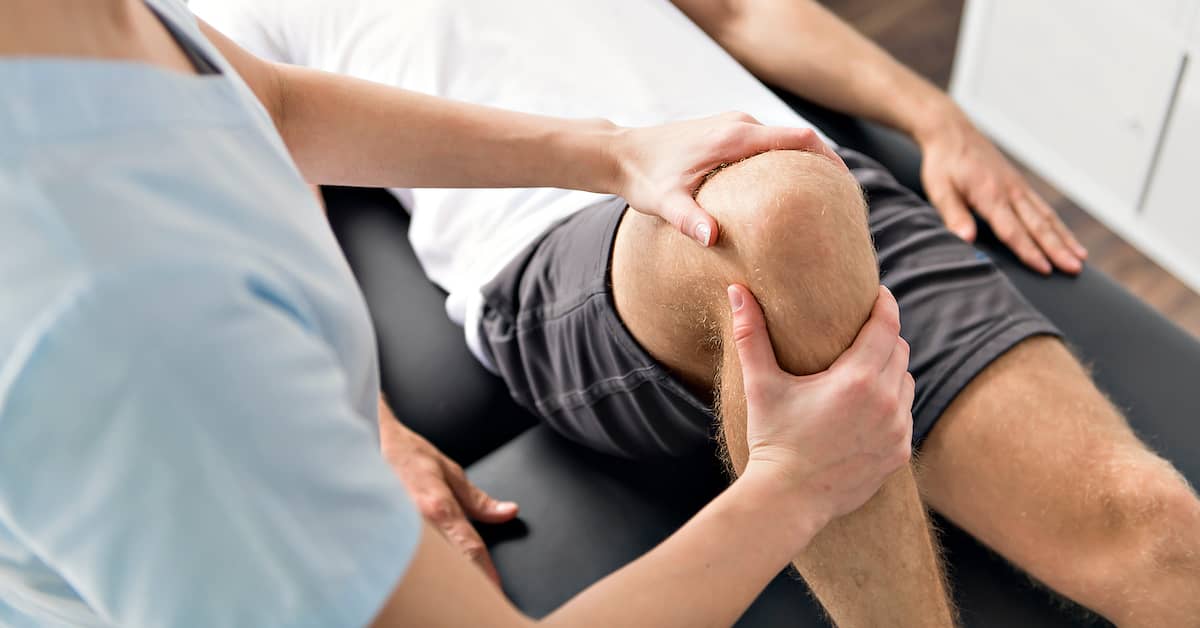
Expert assistance acts as a important part review in helping seniors build personalized fitness programs. Working with medical professionals, mobility experts, or exercise professionals ensures that programs are adapted to personal requirements, endurance, and goals. These experts can suggest appropriate exercise formats that address factors such as joint conditions, bone fragility, or aerobic restrictions. Through consistent assessment and adjustment, exercise plans remain beneficial and motivating, promoting lasting participation and progress.
In conclusion, enabling elders to participate in wellness through structured exercise guidelines see this website fosters a culture of active aging. When seniors are provided with information, confidence, and structured support, they develop confidence in their physical abilities and enjoy greater independence. Consistent movement enhances not only body health but also cognitive health and well-being. By supporting accessible, professionally structured exercise plans, societies can ensure that each older adult has the chance to lead a active, vibrant, and rewarding lifestyle.